Aluminum profiles for doors and windows are essential materials in the construction industry, knwon for their light weight, high strength, corrosion resistance, and ease of processing. These attributes make them widely used in doors, windows, curtain walls, ceilings, partitions, and other architectural decorations.
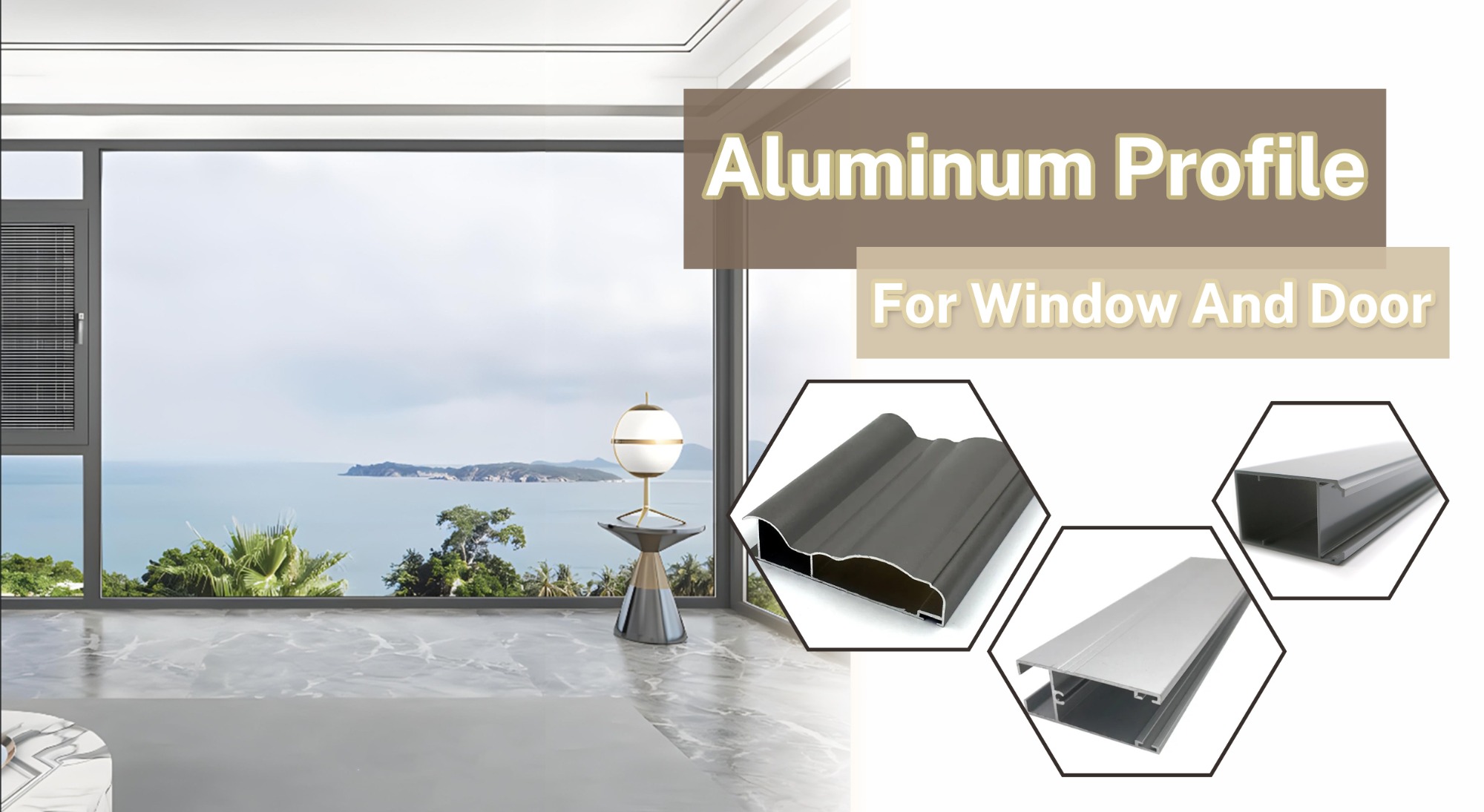
Types of Aluminum Profiles for Doors and Windows
Aluminum profiles for doors and windows come in various types, each suited for different application:
1. Casement Window and Door Profiles: Designed for outward or inward opening windows and doors.
2. Sliding Door and Window Profiles: Suitable for sliding mechanisms, allowing for smooth, horizontal movement.
3. Broken Bridge Aluminum Profiles: These profiles are popular due to their superior thermal insulation properties, achieved through advanced thermal break technology that separates the internal and external sections of the profile, effectively reducing heat transfer.
Production Process of Aluminum Profiles
The manufacturing of aluminum profiles for doors and windows involves several intricate processes to ensure high quality and performance:
1. Extrusion: This is the primary process where aluminum billets are heated and forced through a die to create the desired shape. Advanced extrusion equipment and molds are used to produce profiles with precise dimensions and shapes.
2. Surface Treatment: After extrusion, the profiles undergo surface treatments to enhance their corrosion resistance and aesthetics. Common surface treatments include:
· Oxidation: Forms a protective oxide layer on the aluminum surface.
· Electrophoresis: Adds a coating through an electrochemical process, improving durability.
· Spraying: Involves applying a paint or powder coating for added protection and color.
3. Thermal Break Technology: In the case of broken bridge aluminum profiles, a non-metallic separator is added between the interior and exterior parts of the profile to prevent heat transfer, enhancing the thermal insulation of doors and windows.
Tips for Selecting Aluminum Profiles for Doors and Windows
Choosing the right aluminum profiles is crucial for ensuring the longevity and performance of doors and windows. Here are some key factors to consider:
1. Profile Thickness and Strength: The thickness and strength of the profiles directly impact the load-bearing capacity and resistance to wind pressure. Ensure that the profiles meet the required standards for your specific application.
2. Surface Treatment: The type of surface treatment affects both the corrosion resistance and aesthetic appeal of the profiles. Oxidation, electrophoresis, and spraying are common treatments that provide varying levels of protection and finish quality.
3. Thermal Break Technology: If energy efficiency is a priority, opt for broken bridge aluminum profiles. These profiles significantly improve thermal insulation by preventing heat transfer between the interior and exterior, making them ideal for energy-efficient buildings.
4. Compatibility with Design Requirements: Ensure that the chosen profiles can be easily integrated into the design of your doors and windows, providing both functional and aesthetic benefits.
5. Brand and Quality: Select profiles from reputable manufacturers known for their high-quality products. Quality assurance in manufacturing processes and materials is crucial for long-term performance and safety.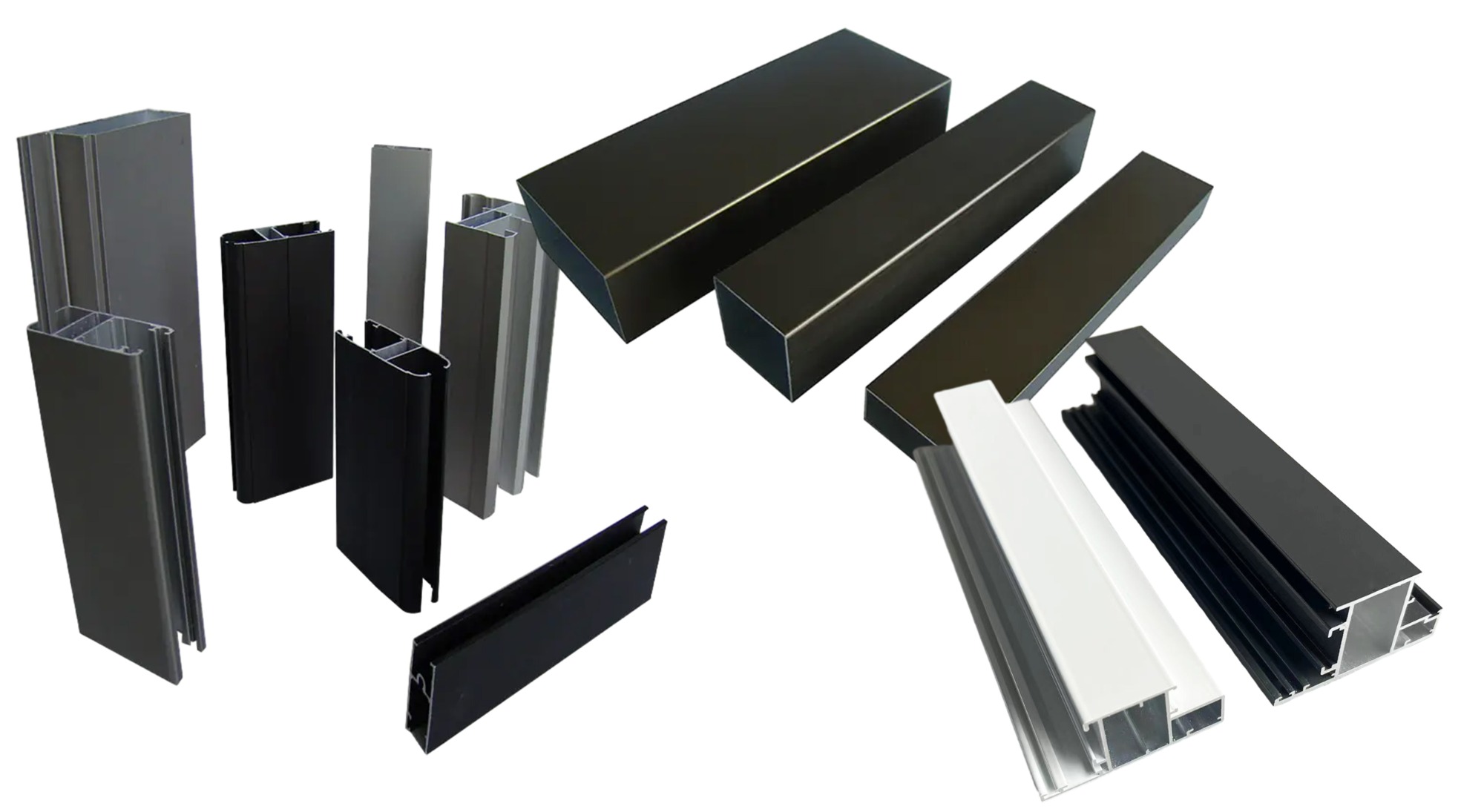
Advantages of Using Aluminum Profiles for Doors and Windows
Aluminum profiles offer numerous benefits, making them a preferred choice in modern construction:
1. Lightweight and Strong: Aluminum is significantly lighter than other metals like steel, yet it offers comparable strength. This makes installation easier and reduces the overall structural load.
2. Corrosion Resistance: Aluminum naturally forms a protective oxide layer, enhancing its resistance to corrosion. Surface treatments further improve this property, ensuring long-term durability.
3. Thermal Insulation: Especially with broken bridge profiles, aluminum doors and windows can provide excellent thermal insulation, contributing to energy efficiency and reducing heating and cooling costs.
4. Aesthetic Flexibility: Aluminum profiles can be manufactured in various shapes and sizes, allowing for versatile design options. They can also be finished in different colors and textures to match any architectural style.
5. Environmental Benefits: Aluminum is a sustainable material that can be recycled without losing its properties. The aligns with the growing emphasis on eco-friendly construction practices.
Challenges in Using Aluminum Profiles
While aluminum profiles offer many benefits, they also with certain challenges:
1. Initial Cost: High-quality aluminum profiles and advanced manufacturing processes can be expensive. However, the long-term benefits and durability often justify the initial investment.
2. Professional Installation Required: Proper installation is crucial to ensure the performance of aluminum doors and windows. This typically requires skilled labor and specialized tools.
3. Maintenance Needs: Regular maintenance is necessary to preserve the appearance and functionality of aluminum profiles. This includes cleaning and periodic inspections to check for any signs of wear or damage.
Conclusion
Aluminum profiles for doors and windows are a versatile, durable, and aesthetically pleasing choice for modern construction. Their production involves advanced processes that ensure high quality and performance. When selecting aluminum profiles, consider factors such as thickness, surface treatment, thermal break technology, and brand reputation to ensure you choose the best materials for your needs. Despite some challenges, the benefits of aluminum profiles make them an excellent investment for both residential and commercial buildings. With the right selection and proper maintenance, aluminum doors and windows can provide lasting value and enhance the overall performance and appearance of any structure.
