In recent years, the classification of aluminum profiles and alloys has evolved to match international standards. This new system comprises eight distinct series based on various properties and applications. These series replace the older nomenclature of industrial pure aluminum (L series), rust-proof aluminum (LF series), wrought aluminum (LD series), duralumin (LY series), super-hard aluminum (LC series), special series (LT series), and hard-welded aluminum (LQ series). Each series is identified by specific numbers, reflecting their unique characteristics and uses.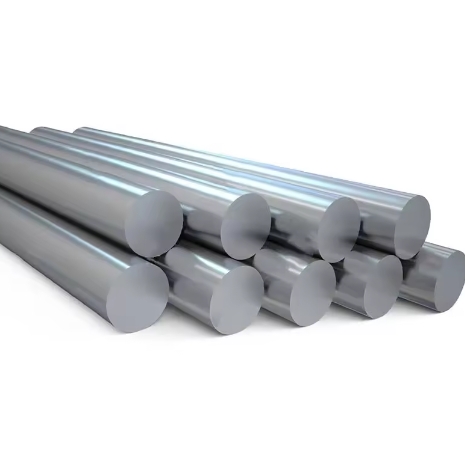
(1) 1000 Series Pure Aluminum (L Series)
The 1000 series aluminum profiles are composed of industrial pure aluminum. Known for its excellent corrosion resistance, electrical conductivity, and processability, this series is widely used in various applications. These include wire and cable production, household goods, electrical products, medical and food packaging, as well as power transmission and distribution materials. The high purity of 1000 series aluminum ensures it remains a critical material in many industries.
(2) 2000 Series Alloy (Al-Cu Series)
The 2000 series, often referred to as duralumin, includes aluminum profiles alloyed with copper. Examples include 2A11 (LY11), 2A12 (LY12), 2A01 (LY1), and 2A70 (LD7). These alloys are primarily used in aircraft structural materials due to their high strength. However, they have poor corrosion resistance and require additional treatment to improve durability.
(3) 3000 Series Alloy (Al-Mn Series)
The 3000 series aluminum profiles, such as the 3A21 alloy (LF21), cannot be strengthened by heat treatment. These alloys are appreciated for their good processability, corrosion resistance, and weldability. They are widely used in daily necessities, building materials, and various devices, making them versatile for numerous applications.
(4) 4000 Series Alloy (Al-Si Series)
The 4000 series aluminum profiles are primarily used as welding materials, with 4043 and 4343 being typical representatives. The 4043 alloy, with a low melting point and good flowability, offers excellent corrosion resistance, making it ideal for avoiding weld cracks. The higher silicon content in the 4343 alloy further enhances these properties, making these alloys suitable for composite brazing plates and other specialized welding applications.
(5) 5000 Series Alloy (Al-Mg Series)
Known for their excellent corrosion resistance and weldability, the 5000 series aluminum profiles include alloys such as 5A02 (LF2), 5A04 (LF4), and 5A06 (LF6). These alloys, which cannot be strengthened by heat treatment, are favored for their surface gloss and are commonly used in decorative materials, advanced devices, ships, vehicles, and building materials.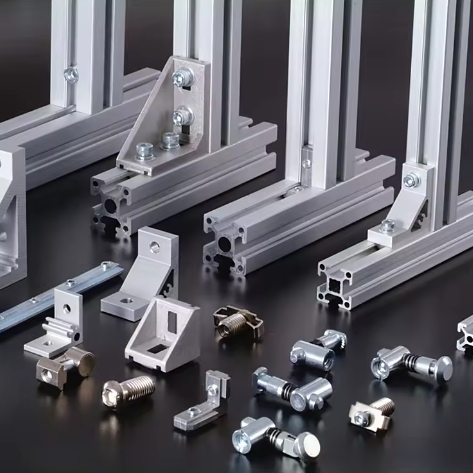
(6) 6000 Series Alloy (Al-Mg-Si Series)
The 6000 series aluminum profiles can be strengthened by heat treatment, offering good corrosion resistance and high strength. Examples include the 6061 (LD30) and 6063 (LD31) alloys. The 6061 alloy, with higher magnesium and silicon content than the 6063 alloy, is noted for its good plasticity, weldability, and resistance to stress corrosion cracking. This makes it suitable for structural materials and building profiles. The 6063 alloy, with its excellent extrusion formability, quenching performance, and ease of oxidation coloring, is widely used in the production of building aluminum profiles and decorative materials.
(7) 7000 Series Alloy (Al-Zn-Mg-Cu Series)
The 7000 series aluminum profiles, such as the 7075 alloy, are known for their high strength. These alloys are primarily used in aircraft and sporting goods. However, they have poor resistance to stress corrosion cracking and require appropriate heat treatment to enhance their performance. The high strength of these alloys makes them critical for high-stress applications.
(8) 8000 series alloy (belong to Al-Si alloy)
The 8000 series, with the 8090 alloy as a typical representative, is notable for its low density, high rigidity, and high strength. These aluminum profiles are being developed competitively worldwide due to their advanced properties. They offer significant advantages in applications requiring lightweight and durable materials.
Conclusion
Aluminum profiles and alloys offer a broad spectrum of properties and applications. The new classification system helps in identifying the specific types of aluminum suitable for various industrial and commercial uses. From the corrosion-resistant 1000 series to the high-strength 7000 series, each category of aluminum profile brings unique benefits. Whether for everyday household items or advanced aerospace components, understanding these series can help in selecting the right material for the job. As technology advances, the development of new aluminum alloys continues to expand the possibilities in engineering and design, making aluminum an indispensable material in modern industry.
