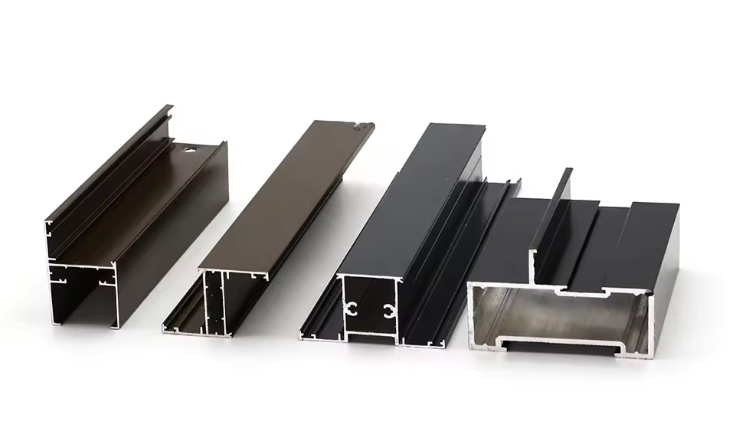
Window and door design is a key element of any building and has a significant impact on both aesthetics and functional performance. One of the most critical factors in these designs is the thickness of the aluminum profiles used. This paper will delve into the impact of aluminum profile thickness on window and door design and provide discernments into the advantages and issues associated with different thickness of aluminum profiles.
Understanding Aluminum Profiles
Aluminum profiles are extruded aluminum sections used to construct window and door frames. These profiles come in a variety of shapes and sizes, with thickness being a key variable. Aluminum profiles range in thickness from thin, lightweight profiles to thick, robust profiles. Variations in thickness have a direct impact on the structural integrity, thermal performance and overall design flexibility of the window or door.
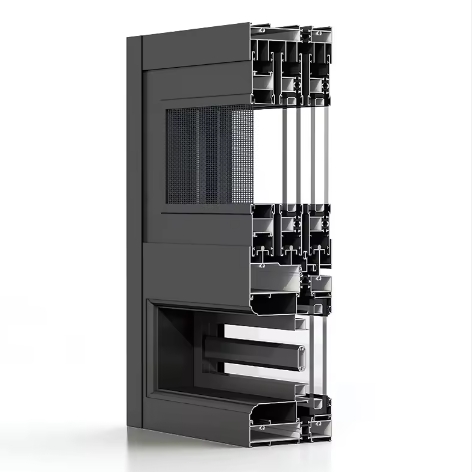
Impact of Aluminum Profile Thickness on Window and Door Design:
1. Structural integrity and durability
One of the main considerations in choosing the thickness of an aluminum profileis the structural integrity it provides. Thicker aluminum profiles provide greater strength and durability, making them suitable for larger windows and doors or for installation in areas with high wind loads or huge usage. Thicker aluminum profiles enhance structural integrity, ensuring that windows and doors remain strong and reliable over time, even under demanding conditions.
Conversely, thinner aluminum profiles may be suitable for smaller windows and doors or applications where weight reduction is a priority. While they may not be as strong as thicker aluminum profiles, they can still provide enough strength for less demanding applications.
2. Thermal Performance
The thermal performance of windows and doors is another crucial aspect influenced by the thickness of aluminum profiles. The incorporation of thicker profiles allows for the accommodation of greater insulation, which is achieved through the insertion of material between the interior and exterior of the profile. This material serves to reduce heat transfer, thereby improving the thermal performance of the window or door. This results in enhanced thermal insulation, which helps to maintain room temperatures and improve energy efficiency.
In contrast, thinner profiles may have limited space for effective insulation, which may result in increased heat transfer and reduced insulation performance. Nevertheless, with the advent of new materials and engineering techniques, the thermal insulation performance of thinner profiles has also seen considerable improvement. However, it should be noted that this improvement may not be on a par with that of thicker profiles.
3. Aesthetic Considerations
Aesthetic considerations are frequently a significant factor in the decision-making process regarding windows and doors. The use of thicker aluminum profiles can result in a stronger and heavier appearance, which may be desirable in certain architectural styles or to acheive a specific visual effect. Furthermore, thicker aluminum profiles permit the creation of deeper recesses and more intricate details, thereby expanding the design possibilities.
On the otherhand, thinner profiles can facilitate the creation of a sleek, modern appearance characterised by minimalist lines and a lighter visual weight. This is particularly appealing in modern designs that prioritize a minimalist, unobtrusive aesthetic. The decision between thick and thin profiles ultimately depends on the desired architectural style and the desired visual effect.
4. Weight and Handing
The weight of an aluminum profile is directly proportional to its thickness. It is a general principle that thicker profiles are naturally heavier, which can affect the ease of handling and installation. While the additional weight contributes to the quality and sturdiness of the window or door, it may also necessitate the use of sturdier support structures and hardware.
Thinner profiles are typically easier to handle the install due to their ligher weight. This can result in reduced labor costs and installation time, rendering them a practical option for projects where speed and efficiency are of paramount importance. Nevertheless, it is of the utmost importance to ensure that the reduction in weight does not result in any compromise to the overall performance and security of the window or door.
5. Cost Factors
The cost of aluminum profiles is influenced by their thickness. Thicker profiles typically result in higher costs due to the increased material usage and manufacturing requirements associated with their production. This can have a significant impact on the overall budget of a building project, particularly when a large number of windows and doors are involved.
The use of thinner profiles can result in cost savings, both in terms of material costs and potentially reduced installation costs. Nevertheless, the potential for cost savings should be balanced against the risk of structural integrity and thermal performance deviations. This is to ensure that the final product meets all necessary codes and standards.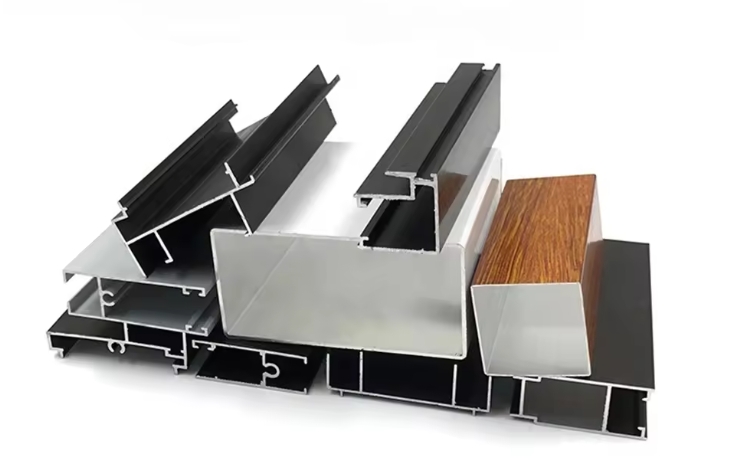
Frequently Asked Questions (FAQ):
1. What is the relationship between the thickness of an aluminum profile and the energy efficiency of a window or door?
The incorporation of thicker aluminum profiles allows for the accommodation of a greater number of insulation bars, thereby enhancing the insulation properties and reducing the transfer of heat. This enhances the energy efficiency of windows and doors, thereby maintaining interior temperatures and reducing heating and cooling costs.
2. Does the thickness of an aluminum profile always represent the optimal design choice for a window or door?
This is not necessarily the case. Although thicker profiles offer enhanced strength and durability, they are not universally applicable. The choice of profile thickness should be determined by the specific design requirements of the project, including structural needs, aesthetic preferences, and budgetary considerations.
3. Can thin aluminum profiles provide sufficient strength for large windows and doors?
If designed and reinforced in an appropriate manner, thin aluminum profiles can provide sufficient strength for large windows and doors. Nevertheless, in such applications, thicker profiles are typically chose in order to ensure optimal structural integrity and security.
4. What are thermal bars in aluminum profiles and why are they important?
Insulation bars are materials inserted between the inner and outer parts of an aluminum profile with the objective of reducing heat transfer. Thermal bars are of critical importance in improving the thermal performance of windows and doors, thereby contributing to enhanced energy efficiency and interior comfort.
5. What are the implications of profile thickness on the installation process?
The weight of thicker profiles may necessitate the use of more robust support structures and hardware, which could prolong the installation process and increase the associated labor costs. Thinner profiles are lighter and easier to handle, which can simplify the installation process and reduce associated costs.
6. Does the appearance of thick and thin aluminum profile differ?
It can be observed that thicker profiles create a stronger, heavier visual impression, while thinner profiles help to create a sleek, modern appearance. The decision between thick and thin profiles should be made in accordance with the desired architectural style and visual appeal of the window or door.
7. What are the financial implications of choosing thicker aluminum profiles?
The cost of thicker aluminum profiles is typically higher due to the increased material usage and manufacturing requirements involved. Nevertheless, they may offer superior long-term performance and durability, thereby justifying the intial investment. The use of thinner aluminum profiles may result in cost savings, but this may be accompanied by a reduction in structural integrity and thermal performance.
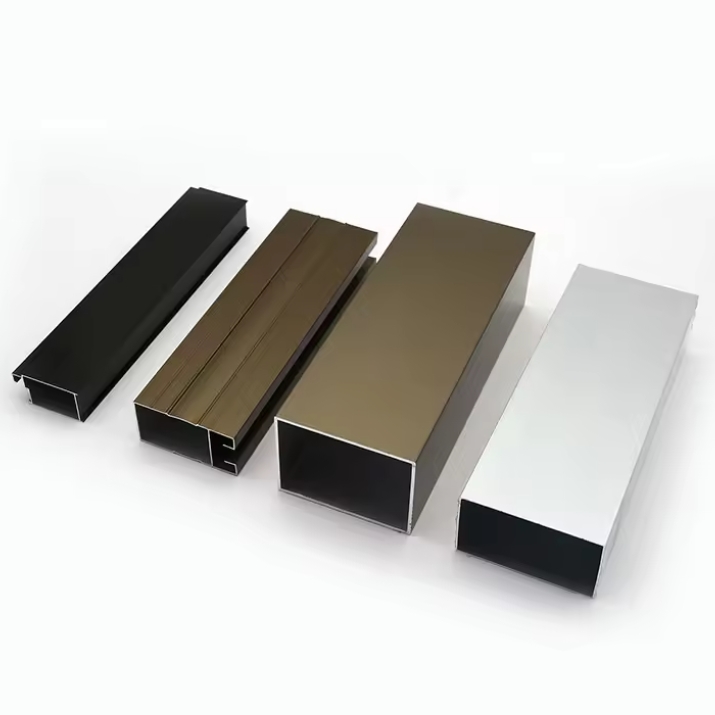
Conclusion
The thickness of aluminum profiles is of critical importance in the design and performance of windows and doors. By meticulously contemplating the influence of profile thickness on structure, insulation, aesthetics, and cost, architects, builders, and homeowners can make well-informed decisions that enhance the fuctionality and appeal of their window and door installations. In choosing profiles, whether thicker for strength and insulation or thinner for a sleek appearance and ease of installation, the objective is to acheive an optimal balance that aligns with the specific needs of each project.
