Categories
Future Trends in Aluminum Extrusion: Innovations Shaping the Industry
This article explores the future trends in aluminum extrusion, focusing on sustainability, technological innovations, material enhancements, and evolving applications.
Jun 24th,2024
1199 Views
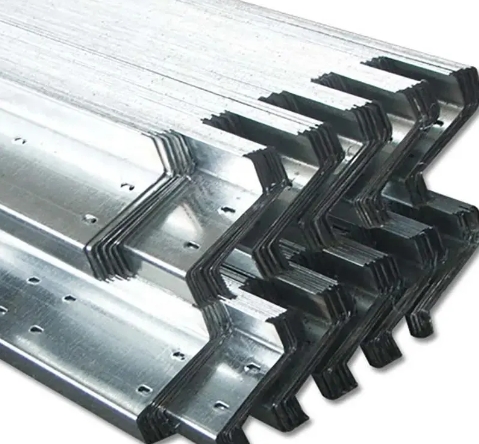
Aluminum extrusion is a cornerstone of modern manufacturing, playing a critical role in a wide range of industries from construction to automotive to electronics. The process of forcing aluminum through a shaped die to create long, continuous shapes known as aluminum profiles has been refined over decades. However, as the demand for more efficient, sustainable, and versatile materials grows, the industry is poised for significant advancements.
1. Sustainable Practices in Aluminum Extrusion
Sustainability is becoming a primary concern in all manufacturing sectors, and aluminum extrusion is no exception. Several practices are engineering to make the extrusion process more eco-friendly.
a. Increased Use of Recycled Aluminum
Recycling aluminum saves up to 95% of the energy required to produce new aluminum from raw ore. As the industry moves towards a circular economy, the use of recycled aluminum in extrusion processes is expected to rise. This is not only reduces energy consumption but also minimizes the environmental impact associated with mining and refining bauxite.
b. Energy-Efficient Extrusion Processes
Innovations in energy management systems and more efficient heating techniques are reducing the energy required for extrusion. For instance, induction heating is being explored as a method to heat aluminum billets more quickly and uniformly, which can significantly cut down energy use and improve the overall efficiency of the extrusion process.
c. Waste Reduction Techniques
Minimizing waste during the extrusion process is another critical area of focus. Advances in die design and extrusion technology are helping to reduce material waste and improve yield. Additionally, better scrap handling and recycling systems ensure that any waste generated is efficiently repurposed.
2. Technological Innovations in Aluminum Extrusion
Technological advancements are transforming aluminum extrusion, making the process more precise, faster, and versatile:
a. Automation and Robotics
The integration of automation and robotics in aluminum extrusion plants is increasing production efficiency and consistency. Automated systems can handle repetitive tasks such as billet loading, profile handling, and quality inspection, reducing human error and improving product quality.
b. Advanced Die Design and Manufacturing
New die technologies are allowing for more complex and precise aluminum profiles. Computer-aided design (CAD) and computer-aided manufacturing (CAM) systems enable the creation of intricate die shapes that were previously impossible. These technologies also improve the cooling and lubrication systems in the dies, enhancing their lifespan and performance.
c. 3D Printing and Additive Manufacturing
3D printing is being explored for the rapid prototyping of extrusion dies, allowing for quicker turnaround times and reduced costs in die development. Additionally, additive manufacturing techniques are being developed to produce aluminum profiles with complicated geometry and internal structures that traditional extrusion methods cannot achieve.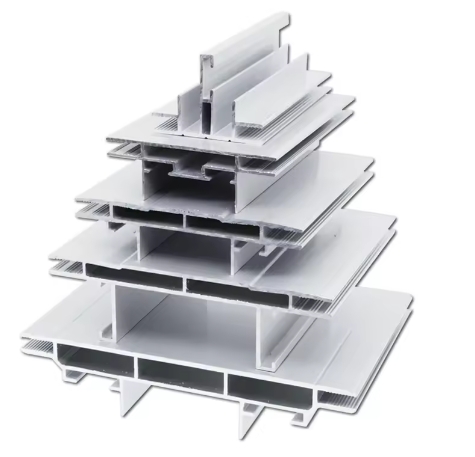
3. Material Enhancements
Aluminum alloys are continuously being developed to meet the growing demands for better performance and fuctionally:
a. High-Strength Alloys
New high-strength aluminum alloys are being formulated to provide superior mechanical properties, making them suitable for more demanding applications such as aerospace and automotive industries. These alloy offer improved tensile strength, fatigue resistance, and durability.
b. Enhanced Thermal and Electrical Conductivity
Advancements in alloy composition are also focusing on enhancing the thermal and electrical conductivity of aluminum profles. This is particularly important for applications in electronics and heat exchangers, where efficient heat dissipation is crucial.
c. Corrosion-Resistant Alloys
Developing alloys with superior corrosion resistance is critical for applications in harsh environments, such as marine and industrial settings. New coatings and surface treatments are being combined with alloy innovations to extend the lifespan and reliability of aluminum profiles.
4. Evolving Applications of Aluminum Profiles
As the capabilities of aluminum extrusion expand, new applications are emerging across various industries:
a. Lightweight Transportation Solutions
The push for lighter, more fuel-efficient vehicles is driving the demand for aluminum profiles in the automotive and aerospace industries. Aluminum's high strength-to-weight ratio makes it ideal for structural components, crash management systems, and body panels, contributing to significant weight savings and improved fuel efficiency.
b. Renewable Energy Infrastructure
Aluminum profiles are playing a vital role in the renewable energy sector, particularly in solar panel frames and wind turbine components. Their corrosion resistance and lightweight properties make them suitable for outdoor installations and large-scale energy projects.
c. Architectural Innovations
Modern architectural increasingly relies on aluminum profiles for both structural and aesthetic purposes. From curtain walls and window frames to decorative facades and interior fixtures, aluminum provides the flexibility and durability needed for contemporary building designs.
Conclusion
The future of aluminum extrusion is bright, with sustainability, technological innovations, material enhancements, and evolving applications driving the industry forward. As these trends continue to develop, aluminum profiles will become even more integral to various sectors, offering efficient, reliable, and versatile solutions for modern manufacturing challenges. By embracing these advancements, the aluminum extrusion industry is set to meet the demands of a rapidly changing world, ensuring its continued relevance and growth.
