Introduction
Aluminum is one of the most widely recycled materials in the world due to its high recyclability and the significant environmental and economic benefits associated with its reuse. The recycling of aluminum profiles plays a crucial role in reducing production costs, lowering carbon emissions, and conserving natural resources. With increasing global emphasis on sustainability and circular economy initiatives, the aluminum profile recycling industry is experiencing rapid growth. This article explores the current state, benefits, key technologies, and future trends of aluminum profile recycling, focusing on its role in the environmental and industrial landscape.
Global Aluminum Profile Recycling Market Overview
The global aluminum recycling market is expanding rapidly, driven by increasing demand from various industries such as construction, automotive, and renewable energy. According to market reports, over 75% of all aluminum ever produced is still in use today due to effective recycling. Key regions leading the aluminum recycling industry include:
· China: The largest consumer and recycler of aluminum, accounting for nearly 40% of global secondary aluminum production.
· Europe: Strong regulations promoting sustainable practices have made Europe a leader in aluminum recycling.
· United States: A significant contributor to aluminum recycling, with many industries relying on recycled aluminum for manufacturing.
· Japan and South Korea: Advanced technologies and strict environmental policies drive their efficient aluminum recycling operations.
Aluminum Profile Recycling Process and Technologies
Recycling aluminum profiles involves several key steps to ensure high-quality secondary aluminum production:
1. Collection and Sorting
Aluminum scrap is collected from construction sites, automotive industries, packaging, and old aluminum structures. Advanced sorting systems use:
· Eddy current separators to separate aluminum from mixed metal waste.
· X-ray fluorescence (XRF) technology to distinguish between different aluminum alloys.
2. Pre-Treatment and Cleaning
Before melting, aluminum scrap undergoes pre-treatment to remove contaminants such as paint, coatings, and adhesives. Techniques include:
· Thermal decoating: Burns off organic coatings using controlled heating.
· Mechanical processing: Shredding and crushing to achieve uniform scrap size for efficient melting.
3. Melting and Refining
The cleaned aluminum scrap is melted in furnaces using energy-efficient processes:
· Reverberatory furnaces for bulk aluminum melting.
· Induction furnaces for precise alloy composition control. During refining, unwanted elements are removed using flux agents to ensure high purity.
4. Casting and Reuse
The molten aluminum is cast into ingots, billets, or directly extruded into new aluminum profiles for use in industries such as construction, automotive, and electronics.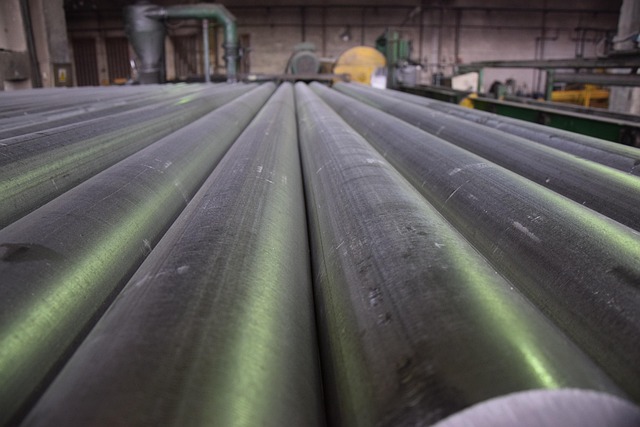
Advantages of Aluminum Profile Recycling
1. Energy Efficiency and Carbon Reduction
Recycling aluminum requires 95% less energy compared to primary aluminum production significantly reducing greenhouse gas emissions. It helps industries meet carbon reduction targets and comply with global sustainability standards.
2. Cost Savings and Economic Benefits
Recycled aluminum is cheaper than virgin aluminum, reducing production costs while maintaining material quality. Industries benefit from lower raw material expenses and improved profit margins.
3. Sustainability and Resource Conservation
Recycling conserves bauxite ore, reducing the need for environmentally damaging mining activities. It aligns with the circular economy model, promoting long-term sustainability in industrial applications.
Future Trends in Aluminum Profile Recycling
The aluminum recycling industry is evolving with technological advancements and increased demand for sustainable solutions. Key trends include:
1. Advanced Sorting and AI-Powered Recycling Technologies
New AI-driven sorting systems improve the separation of aluminum alloys, enhancing efficiency and purity levels.
2. Hydrogen-Powered Recycling Furnaces
The adoption of hydrogen-based melting technologies reduces reliance on fossil fuels, further lowering carbon emissions in the recycling process.
3. Automotive and Aerospace Industry Demand
The shift towards lightweight aluminum components in electric vehicles and aircraft is driving demand for high-quality recycled aluminum profiles.
4. Regulatory and Government Support
Governments worldwide are implementing stricter recycling mandates and offering incentives to industries that adopt sustainable aluminum processing methods.
Conclusion
Aluminum profile recycling is a vital component of the global sustainability movement, offering significant economic, environmental, and industrial benefits. With advancements in recycling technology, increased regulatory support, and growing demand for eco-friendly materials, the future of aluminum recycling looks promising. Business that invest in efficient aluminum recovery and reuse strategies will gain a competitive advantage while contributing to a more sustainable future.
FAQ
1. Is recycled aluminum as strong as new aluminum?
Yes, recycled aluminum retains almost the same strength and durability as new aluminum. The recycling process removes impurities, ensuring that the final product meets industry standards.
2. How much energy is saved by recycling aluminum profiles?
Recycling aluminum saves up to 95% of the energy required to produce new aluminum from raw material. This makes aluminum one of the most energy-efficient metals to recycle.
3. What are the main applications of recycled aluminum profiles?
Recycled aluminum profiles are widely used in construction, automotive, aerospace, electronics, and packaging industries. They are especially popular in eco-friendly building materials and sustainable manufacturing.
4. What are challenges in aluminum profile recycling?
The main challenges include sorting different aluminum alloys, removing coatings or surface treatments and reducing contamination from other materials like plastic and adhesives. Advances in smart sorting technologies are helping overcome these issues.
5. How can businesses benefit from using recycled aluminum?
Companies using recycled aluminum can significantly reduce material costs, energy consumption, and carbon emissions. It also helps businesses meet sustainability goals and regulatory requirements while appealing to eco-conscious consumers.
6. What is the future of aluminum profile recycling?
The future of aluminum recycling lies in automation, AI-powered sorting, and circular economy models. With increasing demand for sustainable materials, the aluminum recycling market is expected to grow rapidly in the coming years.
