When it comes to decorating a house, windows plays a crucial role not only in aesthetics but also in functionality and comfort. Among the various types available, casement windows and sliding windows are two of the most popular options. Choosing between them depends on several factors, including budget, appearance, location, performance and whether the window opens externally or internally. Let's explore these factors in more detail to help you make an informed decision.
1. Budget
One of the primary considerations when selecting windows is the budget. Casement windows are generally more expensive than sliding windows. This is due to their more complex opening mechanism and the materials used to ensure their durability and efficiency. If your budget is limited, sliding windows might be a more practical choice. They provide a cost-effective solution without compromising on basic functionality. However, it's important to consider the long-term benefits and potential cost savings of casement windows in terms of energy efficiency and maintenance.
2. Appearance
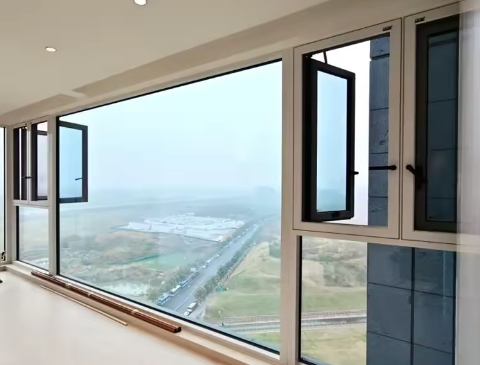
The appearance of your windows can significantly impact the overall aesthetic of your home. Casement windows are known for their elegant and modern look. They can be designed as large French windows, which add a touch of sophistication and provide an unobstructed view of the outside. On the other hand, sliding windows tend to be divided into multiple sections, which might not be as visually appealing. If aesthetics are a top priority and you're aiming for a more elegant and seamless look, casement windows are the better option. They offer a cleaner, more contemporary appearance that can enhance the curb appeal of your home.
3. Location
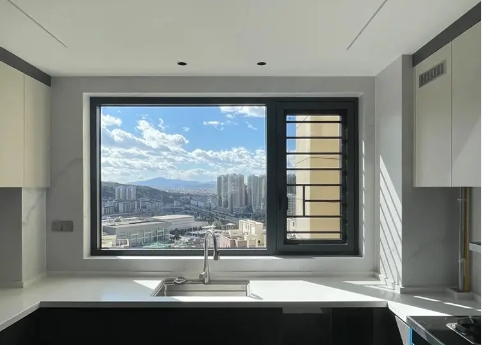
The location of the window within your home also plays a crucial role in the decision-making process. Different rooms have different requirements and limitations. For instance, balconies and bedrooms often benefit from casement windows due to their ability to provide expansive views and superior ventilation. The ability to open fully allows for better air circulation, which is ideal for these areas. In contrast, bathrooms and kitchens usually have limited space and specific functional needs. Sliding windows are more suitable for these areas as they save space and are easier to operate in confined spaces. They do not protrude into the room or the exterior, making them a convenient choice for areas with heavy traffic or limited space.
4. Performance
When it comes to performance, casement windows and sliding windows have distinct differences. Casement windows typically use adhesive seals, which provide superior sound insulation and energy efficiency. They create an airtight seal when closed, preventing drafts and reducing energy costs. This makes them an excellent choice for bedrooms and living rooms where comfort and quiet are important. In contrast, sliding windows are mainly sealed with brushes, which may not offer the same level of insulation. They are more prone to air leaks and can let in more noise from the outside. If sound insulation and energy efficiency are high priorities, casement windows are the better choice.
5. External or Internal Opening
Another factor to consider is whether the window opens externally or internally. External opening casement windows do not take up indoor space, making them ideal for areas where space is limited. However, they are often restricted in high-rise buildings due to safety concerns. For villas or lower floors, external opening windows can be considered, provided that safety features like anti-fall ropes are added. Internal opening windows, on the other hand, are more common in high-rise buildings. They are safer and easier to maintain as they can be cleaned from the inside.
Additional Considerations
While the above factors are the primary considerations, there are several other aspects that might influence your decision:
Energy Efficiency
Energy efficiency is an important consideration for any homeowner. Casement windows are generally more energy-efficient than sliding windows because they close tightly with a seal that reduces air leakage. This can help lower your heating and cooling costs throughout the year. If you live in an area with extreme temperatures, the energy savings from casement windows can be substantial over time.
Ventilation
Ventilation is another key factor. Casement windows provide excellent ventilation because they can be fully opened, allowing maximum airflow into the room. Sliding windows, while still providing ventilation, do not open as widely. If you live in a hot climate or prefer natural ventilation, casement windows might be the better option.
Ease of Use
Ease of use is another pratical consideration. Sliding windows are generally easier to operate since they slide horizontally along a track. This can be particularly useful for people with limited mobility. Casement windows, while not difficult to operate, require a bit more effort to open and close due to their hinged design.
Security
Security is an important concern for any homeowner. Casement windows are often considered more secure than sliding windows because they lock securely into the frame. Sliding windows, while also secure, can be easier to force open if not properly locked. If security is a top priority, casement windows might provide more peace of mind.
Maintenance
Maintenance is another factor to consider. Casement windows can be easier to clean since they open fully, allowing you to clean both sides of the glass from inside your home. Sliding windows, on the other hand, might require more effort to clean the exterior glass, especially on higher floor.
Durability
Durability is also a consideration. Casement windows tend to be more durable and long-lasting because of their robust design. Sliding windows, while still durable, might require more frequent maintenance to ensure the tracks remain clean and functional.
Aesthetics Integration
The ability to seamlessly integrate with the overall design of your home is another important factor. Casement windows offer a wide range of design options, including various colors, finishes, and hardware choices. This makes them easier to match with the interior and exterior design of your home. Sliding windows, while also available in various designs, might offer fewer customization options.
Conclusion
Ultimately, there is no one-size-fits-all solution for doors and windows; the best choice depends on your specific needs and circumstances. By carefully considering your budget, the appearance your desire, the location of the windows, their performance, and whether they open externally or interally, you can make an informed decision that enhances both the functionally and aesthetic appeal of your home.
