The global goal of carbon neutrality is driving systemic changes in the transportation sector, accelerating its transition to electrification and lightweighting. With its advantages of being lightweight, high-strength, corrosion-resistant, and recyclable, aluminum sections have become an important material for the transportation industry to achieve green transformation.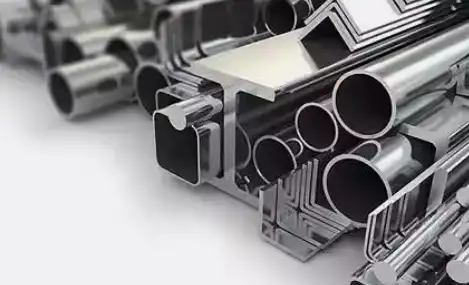
The core contribution of aluminum profiles to transportation is to reduce weight while improving efficiency.
Increasing the use of aluminum alloys can reduce the weight of vehicles and other transportation equipment, thereby reducing energy consumption and improving driving range and load capacity.
In addition, aluminum's corrosion resistance and recyclability help extend the service life of transportation equipment.
Thanks to these advantages, aluminum is now widely used in automobiles, rail transportation, ships and aerospace. According to forecasts by the International Aluminium Institute (IAI), global aluminum demand is expected to increase by nearly 40% by 2030, with transportation being one of the major drivers of this growth.
Driven by decarbonization and the transition to electrification, new energy vehicles, internal combustion engine passenger cars, and commercial vehicles are all moving toward lighter-weight designs and increasingly adopting new energy technologies. As a result, the automotive industry's demand for aluminum continues to grow, and the average amount of aluminum used per vehicle is also rising steadily.
Data cited by Shanghai Metals Market (SMM) indicate that the average aluminum content of battery electric vehicles in China is projected to rise from 157.9 kg in 2020 to 283.5 kg in 2030. Industry analysis reported by AL Circle projects that the figure in North America will increase from 365 kg in 2022 to 404 kg in 2030.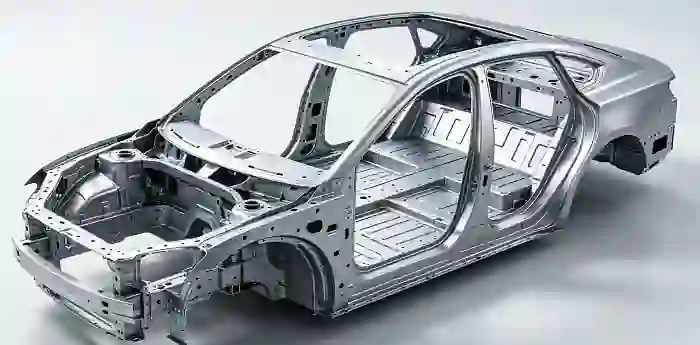
The application of aluminum alloys now extends to multiple systems throughout the vehicle:
Aluminum profiles are used in body frames, crash beams, chassis components, doors, hoods, and other structural parts;
Battery trays and battery enclosures in new energy vehicles make extensive use of aluminum profiles, balancing lightweight construction with load-bearing strength;
Aluminum alloys are also used in wheels, pistons, radiators, oil pans, engine blocks and cylinder heads, crankcases, connecting rods, and filters.
In addition, large-scale integrated die casting technology has become an important manufacturing trend for new energy vehicles. Automakers such as Tesla, XPeng, and Zeekr have introduced this technology in mass production.
By integrating the functions of multiple components into a single casting, integrated die-cast parts can eliminate certain stamping and welding operations and reduce the number of weld points, helping improve overall body rigidity and strength.
Under impact conditions, these parts can also help absorb crash energy and enhance vehicle safety.
The increased use of aluminum alloys can significantly reduce vehicle weight, improving fuel economy in internal combustion engine vehicles, extending the driving range of new energy vehicles, and helping reduce emissions. As a general estimate, a 10% reduction in vehicle weight may lower energy consumption by approximately 6%–8% and reduce carbon dioxide emissions by around 7%–15%(the actual results depend on vehicle design and operating conditions).
Its main advantage lies in its lightweight design: replacing steel with aluminum can reduce the weight of the vehicle body by about 30%–50%, which helps to reduce traction energy consumption and wheel and rail wear.
Aluminum is widely used in the rail transit sector, covering all aspects from the main car body structure to internal facilities and braking-related components.
Floors, side walls, roofs, and end walls of high-speed trains, metros, and light rail vehicles are often fabricated by welding large hollow aluminum extrusions. These are among the most significant aluminum applications in rail vehicles. Commonly used alloys are 6xxx and 7xxx series alloys.
Lightweight aluminum extrusions are used in functional components such as air-conditioning and ventilation systems, doors, and windows, combining low weight with smooth operation and a clean appearance.
The luggage rack, seat frame, interior panels, ceiling and trim strips are all made of aluminum alloy sheets or profiles that meet the relevant standards for vehicle fire prevention, smoke and toxicity.
Aluminum is used in overhead contact systems, trackside structures, station decoration, and platform signage systems.
These applications not only ensure the reliability of the overhead contact system's power supply and its good fatigue resistance, but also help the infrastructure withstand high passenger traffic and reduce maintenance frequency.
The aerospace sector primarily uses aluminum alloys with high strength, toughness, and corrosion resistance. Common grades include alloys in the 2xxx and 7xxx series.
With their high yield strength and excellent mechanical properties, these materials are widely used in the manufacture of various structural components, such as aircraft fuselages, wings, skins, access doors, and seat rails.
Aluminum accounts for approximately 60%–80% of the structural weight of many modern aircraft and has replaced more expensive titanium alloys in a range of applications.
Besides aircraft, aluminum alloys are also used in propellant tanks and structural components of launch vehicles, as well as satellite structures and equipment support components.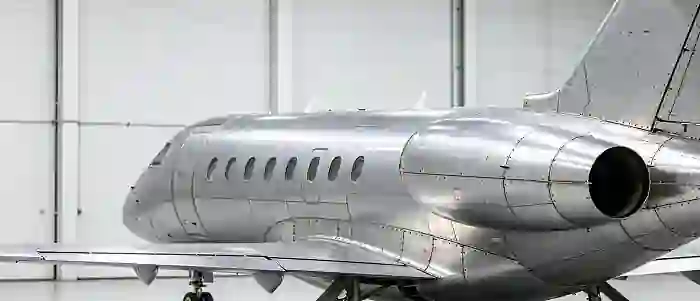
In the shipbuilding industry, driven by the trend of lightweight ships and the pressure to improve environmental performance, the demand for aluminum materials continues to grow.
Aluminum has the characteristics of low density, high strength and good corrosion resistance, making it very suitable for harsh marine environments. Compared to steel, aluminum can reduce the weight of the hull, which helps to achieve higher speeds, lower fuel consumption, longer range, and better maneuverability.
Aluminum profiles and other aluminum alloy products are particularly suitable for high-speed ships, workboats, superstructures, and various devices installed on ships using new energy systems. Typical applications include:
side plates, bottom plates, decks, bulkheads, ribs, and longitudinal members. The appropriate use of extrusion molding can integrate structural functions and, in some designs, reduce the number of parts and welds.
bridge, bulwarks, mast, gangway and porthole frames. Aluminum alloys can reduce the weight of the upper part of a ship, which helps improve the ship's stability.
engine mounts, pipes, valves, life-saving equipment and transmission systems.
helicopter decks, gangplanks, and floating bridges. Aluminum deck modules are not only lightweight, but also easier to maintain.
Aluminum alloys are used for ship battery casings, equipment brackets, and structural components in charging and battery replacement systems, which helps to achieve lightweight structures and structural protection.
Geopolitical conflicts, energy-price fluctuations, tariff policies, and other factors can push up aluminum prices and transportation costs, placing considerable pressure on raw-material costs in the transportation sector.
Primary aluminum production is electricity-intensive. In regions or facilities that rely on coal-fired power, its emissions intensity may be significantly higher than at facilities using low-carbon electricity. As countries pursue carbon-peaking and carbon-neutrality goals, the aluminum industry faces substantial pressure to reduce emissions.
The energy required to produce recycled aluminum is only about 5% of the energy required to produce primary aluminum. However, if recycled aluminum is to be used in high-end transportation structural components, a series of problems still need to be solved, including technical issues such as waste classification, alloy composition control, impurity management, and performance consistency. These issues remain major obstacles to achieving large-scale application.
The main reasons for the increased use of aluminum in automotive, aerospace and marine applications are weight reduction, fuel savings and increased range. Nevertheless, challenges remain in areas such as material strength, corrosion resistance, and welding processes, requiring ongoing research and development to find solutions.
As the global drive toward carbon neutrality unfolds, the role of aluminum in the transportation sector is evolving from a "weight-reduction aid" into a "key enabler of the low-carbon transition." Aluminum is not only a lightweight material that can replace steel, but it is also gradually becoming a strategic basic material supporting electrification, low-carbon supply chains, and high-end manufacturing.
Future technological development is likely to focus on several areas:
Demand for aluminum in the transportation sector will be shaped not only by growth in consumption, but also increasingly by material performance, manufacturing efficiency, product reliability, and environmental performance over the entire life cycle. Through materials innovation, process improvements, and the development of recycling systems, aluminum alloys are expected to play an increasingly important role in sustainable transportation equipment.