Ⅰ The basic properties of aluminum
Silver-white, in the humid air can form a layer of metal corrosion prevention of oxide film, relative density 2.7g/cm³, melting point 660 ℃, boiling point 2327 ℃, higher than the strength, has a good electrial and thermal conductivity, high reflectivity and oxidation resistance.
Ⅱ Types
Profiles: aluminum profiles, aluminum tubes, aluminum rods, etc.;
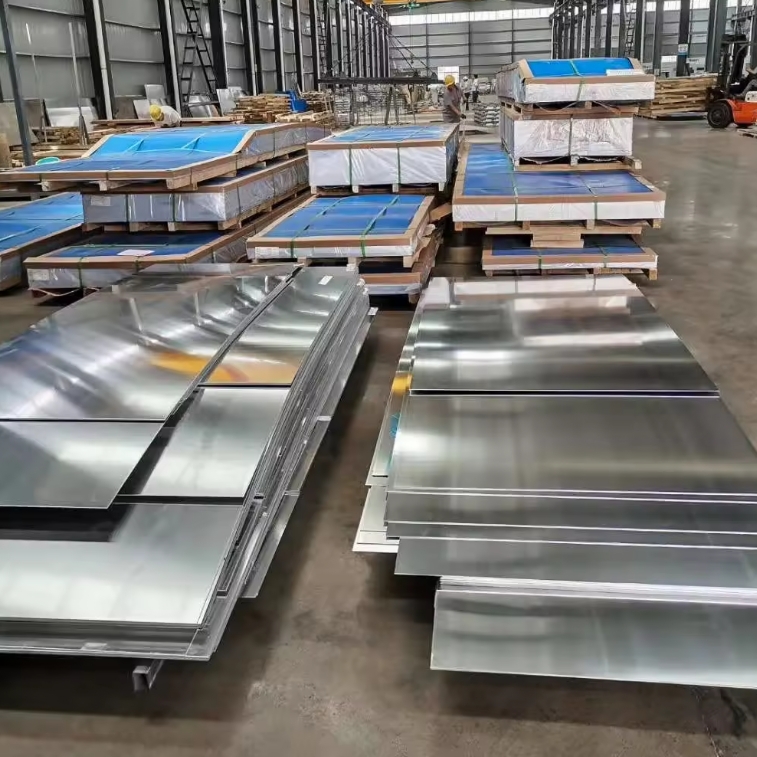
Plates: aluminum sheet, aluminum foil, aluminum strip (coils);
Casting: aluminum castings, aluminum pellets.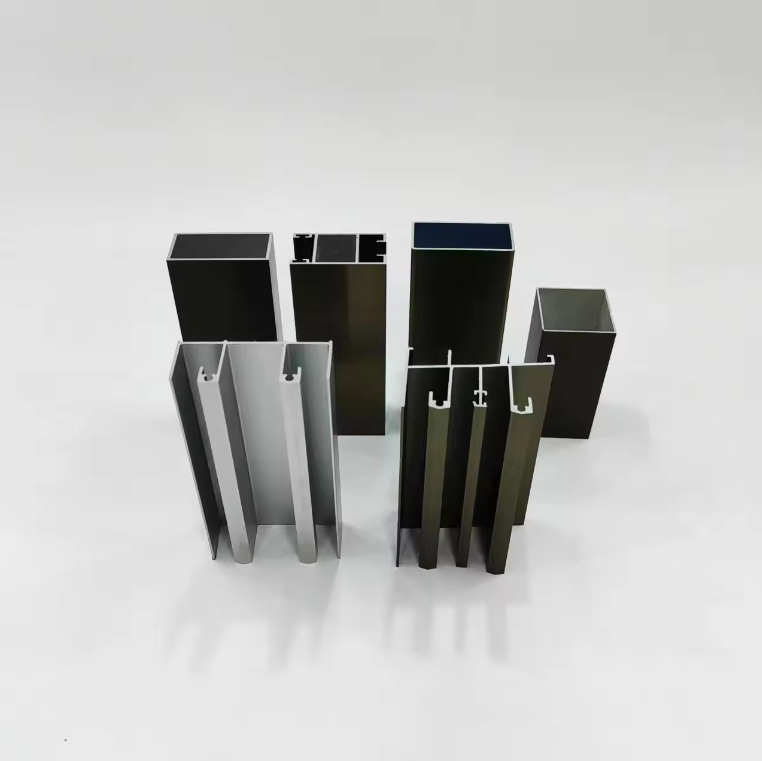
Ⅲ Commonly used grades
The first digit of the grade indicates the aluminum alloy series, the second digit indicates the modification of the original aluminum alloy, and the last two digits indicate the purity of the aluminum alloy in the same group.
1100: it is used for processing parts and components that need good molding and high corrosion resistance, but do not require high strength. For example, storage containers, this plate processing parts, deep drawing concave vessels, heat exchangers, printing plates, nameplates, reflective appliances.
2011: fast cutting alloy, cutting good strength is also high, but poor corrosion resistance, suitable for volume shafts, optical components, screw heads, screws and require good cutting performance of machining products.
3003: 1xxx system alloy with the performance and to have a higher strength than 1xxx system alloy, such as kitchenware, food and chemical product handling and storage devices, transportation of liquid products tanks, as well as thin plate processing of various pressure vessels and pipelines.
4A01: high silicon content, heat-resistant, wear-resistant, belonging to the construction materials, machinery parts, forging materials, welding materials.
5052: the most representative alloy of medium degree of strength (5083 is the highest), corrosion resistance, solubility and good molding, especially high fatigue strength, seawater resistance, used in the manufacture of aircraft fuel tanks, fuel lines, as well as transportation vehicles, ships, sheet metal parts, instruments, street lamp brackets and rivets, hardware products.
6061: heat-treated corrosion-resistant alloy. With T6 treatment can have a very high endurance value, but the strength of the soluble interface is low, so it is suitable for screws, ships, vehicles, land structures.
6N01: medium-strength extrusion alloy that can be used to make large, thin profiles of complex shapes, with good corrosion resistance and solubility. It is suitable for vehicles, land structures and ships.
6063: representative extrusion alloy, lower strength than 6061, good extrudability, can be used for complex cross-sectional shapes of profiles, good corrosion resistance and surface treatment, suitable for construction of highway guardrail, vehicles, furniture, home appliances, decorative products.
7072: with low electrode potential, it is mainly used for corrosion-resistant covering materials, and is also suitable for heat sinks of heat exchangers, aluminum foils or air conditioners and extra-thin strips.
7075: aluminum alloy with one of the highest strength, but poor corrosion resistance, and 7072 of the cover material can improve its corrosion resistance, but the cost increases. Suitable for aircraft, ski poles, thick plate, forging products.
Example of material choice:
Product requirements are relatively hard, surface treatment for coarse brushed or coarse sand surface, choose to use 5000 series aluminum alloy, commonly used: 5052.
Product surface treatment requirements of high, can not have sand holes, profile traces, choose to use 6000 series aluminum alloy, commonly used: 6063/6061.
Product requirements for cheap, need to stretch the shape of the body review, choose to use 2000 series of pure aluminum, commonly used: 2011.
Product high strength, high hardness, need to carry the structure with, choose 7000 series aluminum alloy, commonly used: 7075.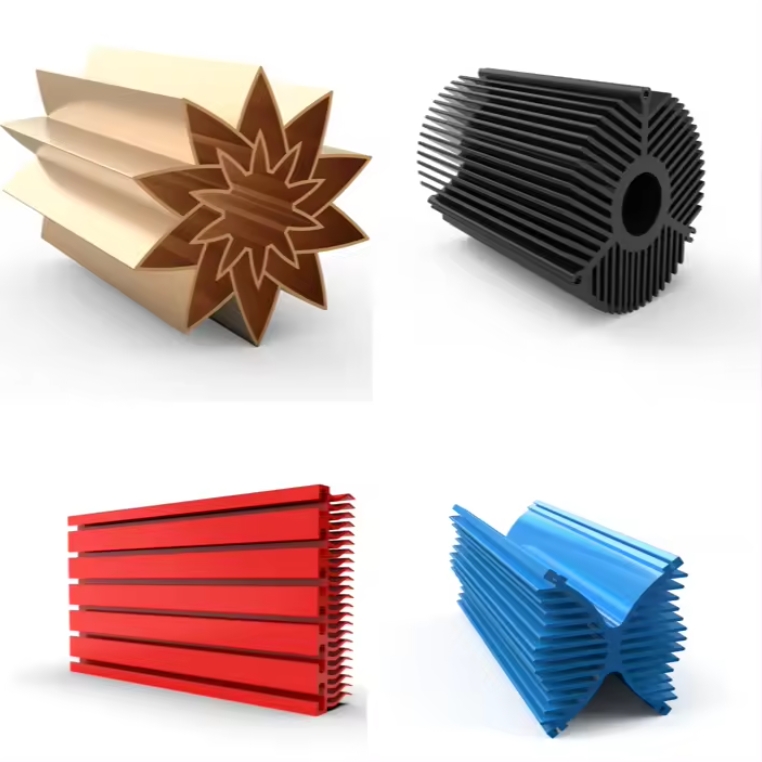
Ⅳ The surface treatment of aluminum
1. Anodizing after sandblasting or drawing;
2. Electrophoretic painting;
3. Powder electrostatic spraying after polishing, fluorocarbon spraying;
4. Polished mirror surface after plating;
5. Wood grain heat transfer;
6. High polymer PVC coating.
Ⅴ Aluminum profiles
Aluminum profiles are aluminum rods that are melted and extruded to obtain aluminum tubes with different cross-sectional shapes. The molding process mainly includes fusion casting, extrusion, cutting, CNC washing and cutting, surface pretreatment, coloring, 5 processes.
Titanium plating and electrophoresis process is the most expensive, followed by wood grain heat transfer, anodic oxidation, and finally spraying. The specific price is subject to the manufacturer's quotation.
The main applications of aluminum profiles are as follows:
1. Aluminum profiles for construction (doors, windows, curtain walls).
2. Aluminum profiles for radiators.
3. General industrial aluminum profiles: mainly used in industrial production manufacturing, such as automated machinery and equipment, skeleton, etc., can be customized by opening mold.
4. Aluminum alloy profiles for rail vehicle structure: mainly used for rail vehicle body manufacturing.
5. Decoration aluminum alloy profiles, mainly used in home appliances or communication industry, such as mobile hard drives, mobile power, TV sets, monitors, etc. on the internal structure and appearance of the decoration.
Ⅵ Aluminum sheets
Thin aluminum sheet(0.15-2.0mm)
Regular aluminum sheet(2.0-6.0mm)
Medium aluminum sheet(6.0-25.0mm)
Thick aluminum sheet(25-200mm)
Ultra-thick aluminum sheet(over 200mm)
Single-layer Aluminum Sheet
It can be used for the shell of electronic products, the shell of home appliances or internal heat-conducting parts.
Aluminum parts shell finished product is through the hardware stamping mold stretching forming, surface pretreatment, coloring, 3 processes to complete.
Polymer Film Aluminum Sheet
Forming slope requirements, not easy to stretch, the material should not be corrosion, super weather resistance, color variety, easy maintenance.
Applicable to electronic products shell, home appliance shell, etc.
Aluminum Composite Sheet
Aluminum composite sheet is a new type of material made of surface treated and coated aluminum as the surface, polyethylene, polypropylene plastic mixed as the core layer, after a series of processed composite materials.
It can be applied to curtain wall, internal and external wall, foyer, hotel, store, conference room, etc. It can also be used for the reconstruction of old buildings, as counter, furniture surface, vehicle interior and exterior walls, etc.
Honeycomb Aluminum Sheet
Adopting composite honeycomb structure, it is formed by hot-pressing composite molding for pre-formed box-like panel and back panel with aluminum alloy honeycomb core material.
It is suitable for architectural curtain wall decoration, ceiling hanging, buses, trains, subways and rail transit vehicles, commercial transportation vehicles and container truck bodies, shipboard buildings, billboards, and interior decoration projects.
Aluminum parts for product decoration shell, with high tensile surface, the material is generally used 0.4-0.8mm thickness, grade 6063/6061 or pure aluminum system.
Aluminum parts to do functional shell, bottom stretching, bending structure, the material is generally used 0.8-1.2 thickness, choose the harder grade 5052/7075, or special grades.
Aluminum parts to do in the shell of electronic products, need to laser engraving oxide layer and then do conductive grounding, because the anodic oxidation of the oxide layer is not conductive.
Ⅶ Aluminum alloy die-casting
Aluminum alloy die-casting in the structure design time as little as possible design go oblique top structure, prevent the follow-up to go phi feng burr is very difficult.
Aluminum alloy die-casting in the structural design also need to pay attention to the average thickness of the glue, go glue flow smoothly, this can reduce a lot because of the molding caused by the appearance of bad, increase the follow-up polishing review and other issues.
If you choose a softer grade, then in the design of load-bearing structure, or need to consider the structural strength, otherwise easy to break.
