Aluminum profile are versatile aluminum alloy products available in various specifications and shapes, primarily formed through processes like melting, casting, extrusion, and surface treatment. Known for their lightweight, high strength, corrosion resistance, and aesthetic appeal, aluminum profiles are widely utilized across diverse industries, including construction, transportation, electronics, and aviation. To ensure these products meet stringent quality and performance standards, specific inspection standards and quality requirements have been established.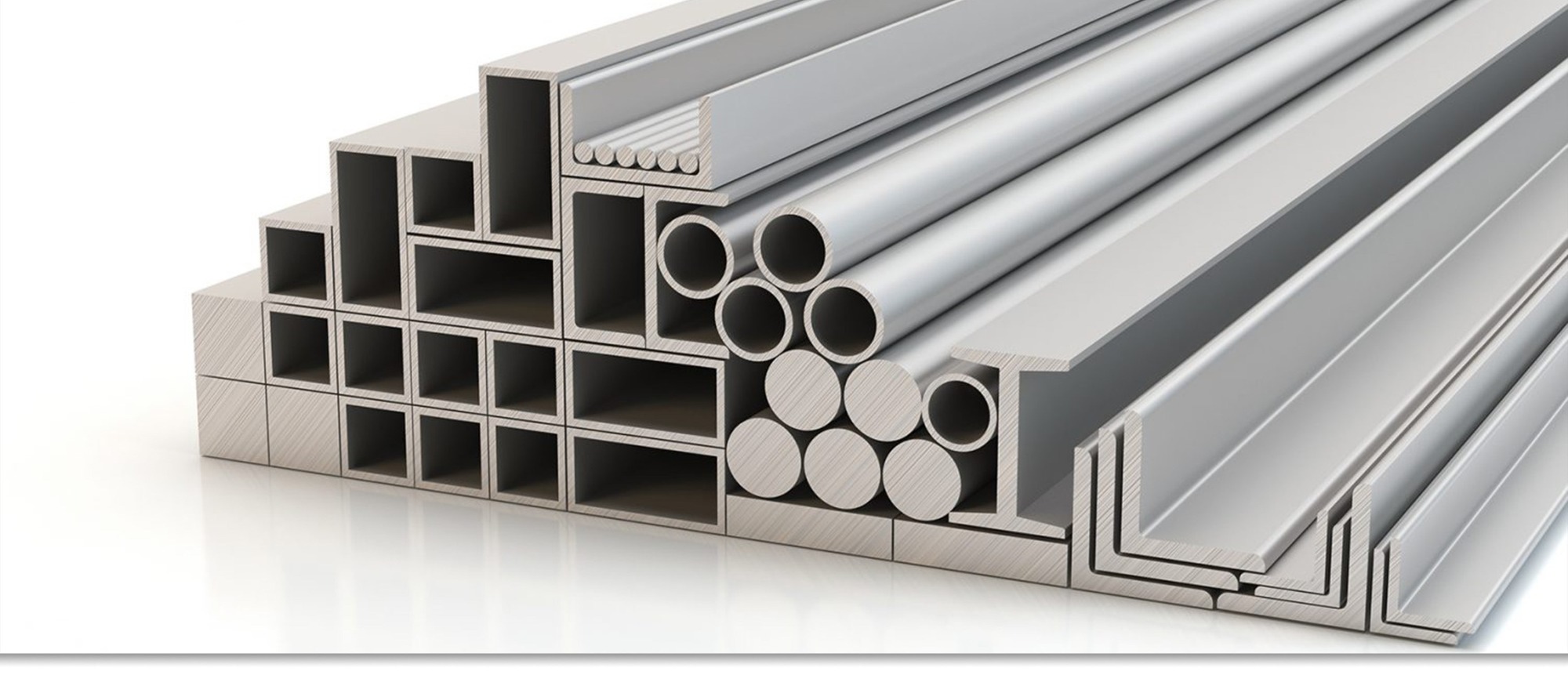
I. Aluminum Profile Inspection Standards
1. Appearance Quality: The visual quality of aluminum profiles must adhere to the following standards:
· Surface Smoothness: The surface should be smooth, free from cracks, bubbles, and slag inclusions.
· Color Consistency: Profiles must exhibit uniform color and luster without noticeable color differences.
· Surface Treatment: The surface treatment layer should be even, without issues such as paint leakage or blistering.
2. Dimensional Accuracy: The dimensions of aluminum profiles must conform to these standards:
· Dimensional Compliance: Length, width, height, and other critical dimensions should align with design specifications.
· Cross-sectional Precision: The cross-sectional sizes must be accurate and meet the specified design criteria.
· Geometric Tolerance: Angles, parallelism, and other precision indicators must comply with relevant industry standards.
3. Mechanical Properties: The mechanical performance of aluminum profiles should meet the following criteria:
· Strength Metrics: Tensile strength, yield strength, and elongation must meet the design requirements.
· Hardness Standards: Hardness values should comply with established standards to ensure durability.
4. Corrosion Resistance: Aluminum profiles must demonstrate sufficient corrosion resistance, including:
· Salt Spray Test: Surfaces should show not significant corrosion after undergoing salt spray testing.
· Standards Compliance: Corrosion resistance must adhere to relevant standards and specifications.
5. Coating Quality: The quality of coatings applied to aluminum profiles should meet these standards:
· Coating Thickness: The thickness must align with design requirements.
· Surface Finish: The coating should have a smooth surface and uniform color.
· Durability of Coating: Coating integrity must ensure long-lasting protection against environmental factors.
II. Aluminum Profile Quality Requirements
1. High-Quality Materials:
· Utilize premium aluminum alloy materials such as 6063-T5 and 6061-T6, known for their high strength, excellent corrosion resistance, and oxidation resistance.
2. Advanced Production Processes:
· Employ state-of-the-art production methods, including melting, extrusion, straightening, and surface treatment. These processes are vital for maintaining stable and reliable quality in aluminum profiles.
3. Strict Inspection Procedures:
· Implement rigorous inspection protocols for each batch of aluminum profiles. This includes checks for size, appearance, mechanical properties, chemical composition, and other critical indexes to ensure product quality compliance.
4. Product Certification:
· Ensure that aluminum profiles acheive relevant product certifications, such as ISO9001 (Quality Management System) and ISO 14001 (Environmental Management System). These certifications validate both quality and environmental performance.
5. Continuous Technological Innovation:
· Stay abreast of industry trends and advancements, focusing on ongoing technological innovations and product upgrades. This responsiveness is crucial for meeting the evolving demands of customers.
6. Professional After-Sales Service:
· Offer comprehensive after-sales support, including technical consultation, installation guidance, and maintenance services. This commitment ensures that customers can utilize products safely and reliably.
Conclusion
In summary, aluminum profiles play a pivotal role in modern industry, requiring stringent inspection and quality standards to ensure their performance and reliability. By adhering to rigorous quality requirements and leveraging high-quality materials and advanced manufacturing processes, manufacturers can meet the diverse needs of their clients. Continuous improvement and a commitment to customer satisfaction are essential for establishing a strong presence in the competitive aluminum profile market.
Frequently Asked Questions (FAQ)
Q1: What are aluminum profiles primarily used for?
A1: Aluminum profiles are commonly used in construction, transportation, electronics, and aviation due to their lightweight, strength, and corrosion resistance.
Q2: What are the key inspection standards for aluminum profiles?
A2: Key inspection standards include appearance quality, dimensional accuracy, mechanical properties, corrosion resistance, and coating quality.
Q3: Why is the choice of aluminum alloy important?
A3: The choice of aluminum alloy affects the strength, corrosion resistance, and overall performance of the profiles, making high-quality materials essential.
Q4: How can customers ensure they are purchasing high-quality aluminum profiles?
A4: Customers should look for certifications, request inspection reports, and choose suppliers known for their commitment to quality and after-sales service.
Q5: What certifications should aluminum profiles have?
A5: Aluminum profiles should ideally have ISO 9001 and ISO 14001 certifications to ensure quality management and environmental responsibility.
