The aluminum material of the system window, equivalent to the skeleton of the human body, serves as the overall structural support and is a very important part in window selection.
1. Aluminum Material Grades
Aluminum material grades are divided into many types based on the metal content. System windows generally use 6063-T5 models. The advantage of this type of aluminum material is that it has good ductility, which allows for the extrusion of various structural aluminum materials. This makes it highly suitable for the complex structure of system windows. The 6063-T5 aluminum profile is known for its excellent mechanical properties and high-quality surface finish, making it popular choice for both residential and commercial applications.
Nowadays, manu businesses are also promoting T6 materials, which have higher strength compared to T5. These are commonly used in sunny room curtain walls and other applications where a single structure is prevalent. Generally, manufacturers provide a certificate of conformity for the aluminum profiles they sell, which ensures that the material meets specific standards.
2. Paint Surface
When it comes to the paint surface of aluminum profiles, metal fluorocarbon paint is highly popular due to its excellent resistance to UV corrosion. This type of paint helps maintain the aesthetic appeal and structural integrity of aluminum profiles over time, even when exposed to harsh environmental conditions. However, the quality and texture of the paint surface can vary significantly between different brands. Therefore, it is important to choose a reputable brand to ensure a high-quality finish.
3. Wall Thickness
The new national standard stipulates that the thickness of aluminum material must reach at least 1.8mm. The standard is particularly important for large glass installations exceeding 4 square meters, as thicker aluminum profiles provide better structural support and stability. For smaller glass installations or those on lower floors, a wall thickness of 1.6mm is generally sufficient. Ensuring the appropriate wall thickness is crucial for the durability and safety of the system windows.
4. High Precision Level vs. Ordinary Level
Aluminum bars are processed and drawn into window profiles through aluminum extrusion. The quality of the extrusion process and the equipment used can significantly impact the final product. High-precision equipment produces aluminum profiles with a flat structure and uniform thickness, which are essential for high-quality system windows. In contrast, ordinary-level equipment may result in profiles with inconsistencies in thickness and surface finish, which can compromise the performance and appearance of the windows.
5. Primary Aluminum vs. Recycled Aluminum
Primary aluminum and recycled aluminum differ significantly in terms of quality and performance. Primary aluminum is produced from raw bauxite and offers superior mechanical properties and a higher-quality finish. Recycled aluminum, on the other hand, is made from scrap aluminum and may contain impurities that can affect its performance.
Although using recycled aluminum is more environmentally friendly, it is important to ensure that the material meets the required standards. When selecting aluminum profiles, you can ask the merchant to present a certificate of conformity to verify the quality of the material.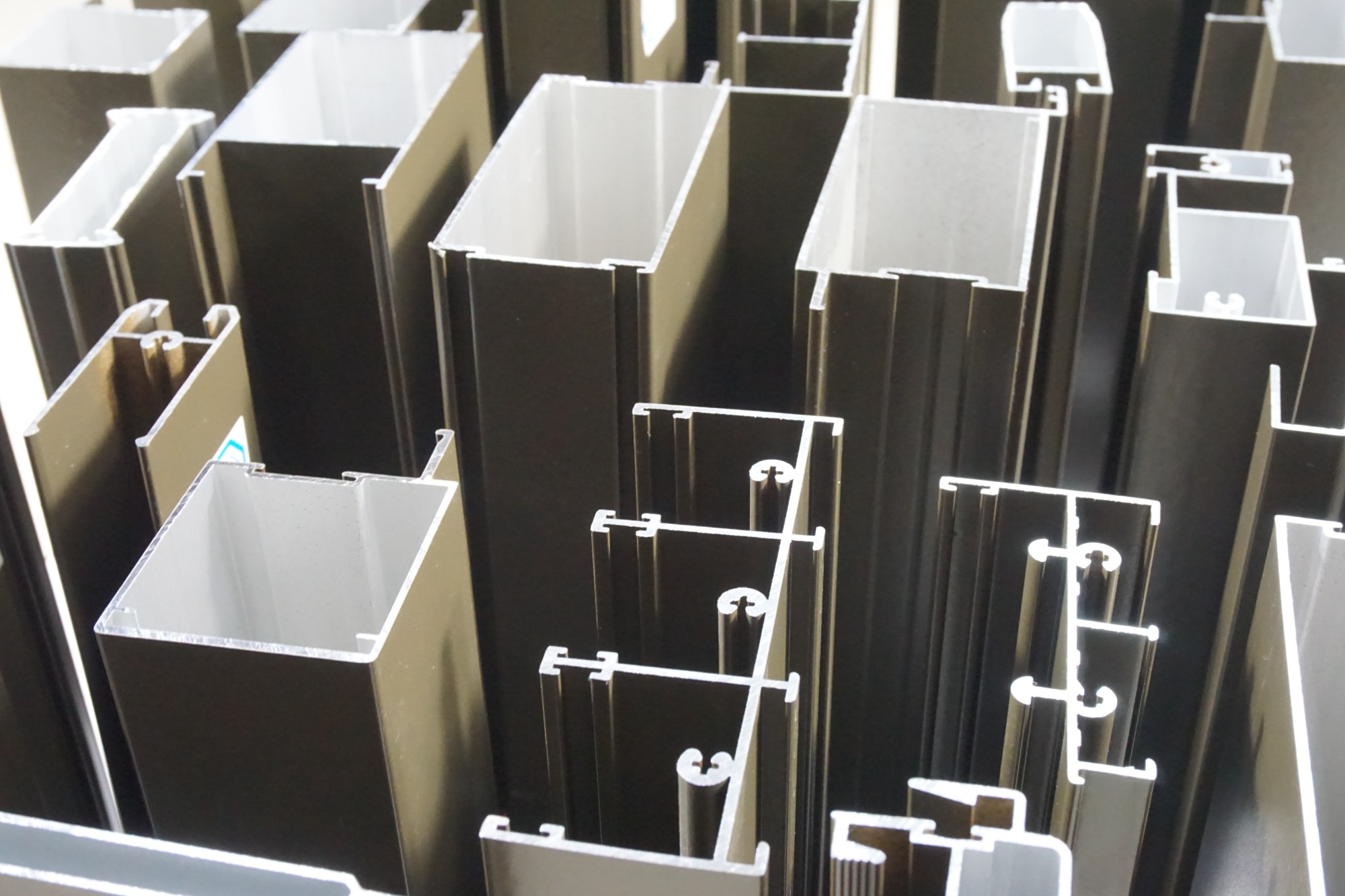
Summary of Aluminum Material Selection
When selecting aluminum profiles for system windows, it is important to consider several key factors to ensure the best performance and durability. Here are some guidelines:
· Choose an Aluminum Profile with a Wall Thickness of 1.6/1.8mm: Ensure that the aluminum profile meets the new national standard for wall thickness to provide adequate structural support and stability.
· Look for Uniform Cross-Sectional Thickness: High-precision equipment produces profiles with uniform thickness, which is crucial for the performance and appearance of the windows.
· Select 6063-T5 Aluminum Profiles: This grade offers excellent ductility, mechanical properties, and surface finish, making it suitable for complex window structures.
· Consider the Paint Surface: Opt for metal fluorocarbon paint for its UV corrosion resistance and aesthetic appeal.
· Verify the Material with a Certificate of Conformity: Ensure that the aluminum profile meets the required standards by asking for a certificate of conformity from the merchant.
By paying attention to these factors, you can select high-quality aluminum profiles that will enhance the performance, durability, and aesthetic appeal of your system windows.
The Role of Aluminum Extrusion in System Windows
Aluminum extrusion plays a crucial role in the production of aluminum profiles for system windows. This process involves forcing aluminum through a shaped die to create long profiles with consistent cross-sectional shapes. The aluminum extrusion process allows for the creation of complex shapes that are not possible with other manufacturing methods, making it ideal for producing the intricate structures required for system windows.
The benefits of aluminum extrusion for system windows include:
· Precision and Consistency: Aluminum extrusion produces profiles with precise dimensions and consistent quality, ensuring that the final product meets the required specifications.
· Design Flexibility: The extrusion process allows for the creation of complex shapes and designs, providing architects and designers with greater flexibility in their projects.
· Strength and Durability: Aluminum profiles produced through extrusion are strong and durable, capable of withstanding various environmental conditions and mechanical stresses.
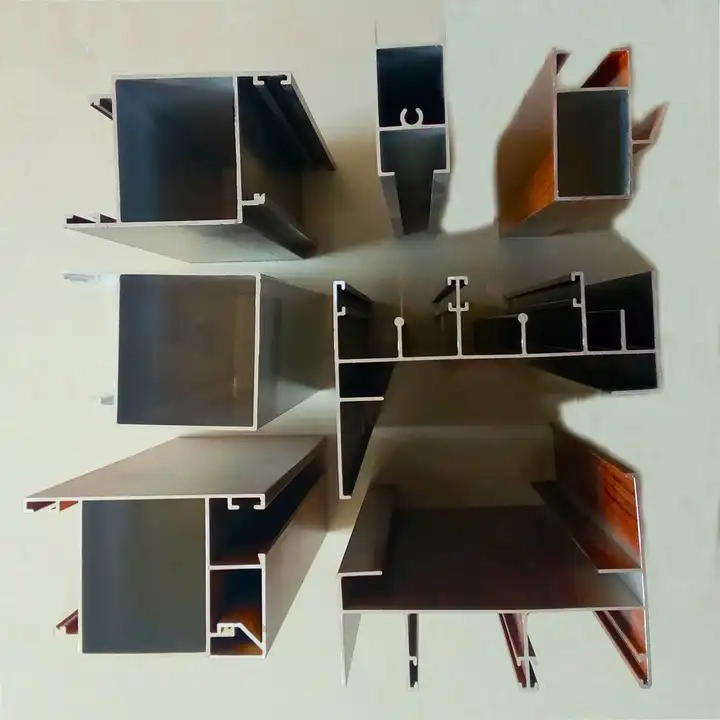
In conclusion, understanding the different aspects of aluminum materials and the aluminum extrusion process is essential for selecting the right aluminum profiles for system windows. By considering factors such as material grade, paint surface, wall thickness, precision level, and the use of primary or recycled aluminum, you can ensure that your system windows are of the highest quality and performance.
