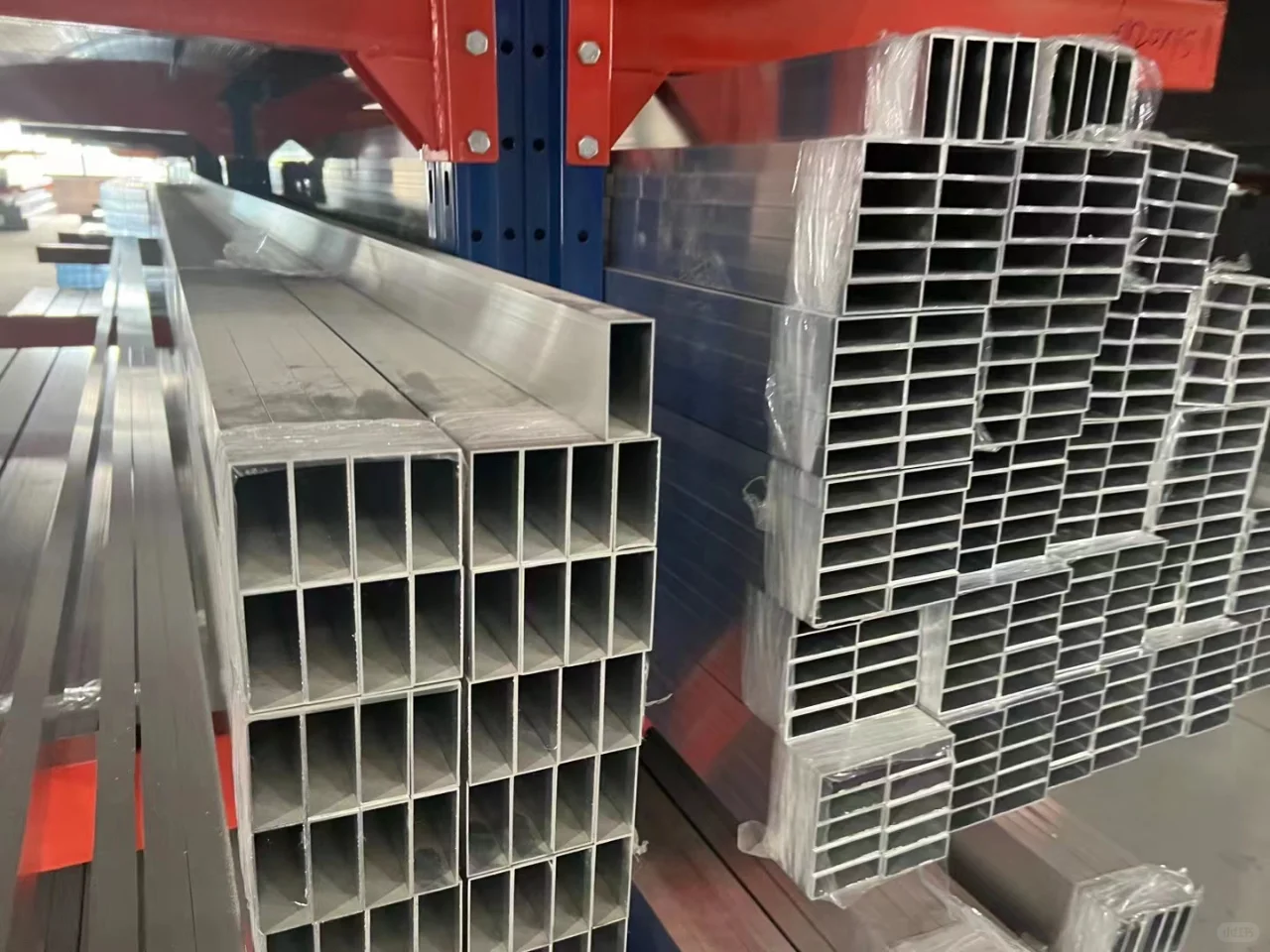
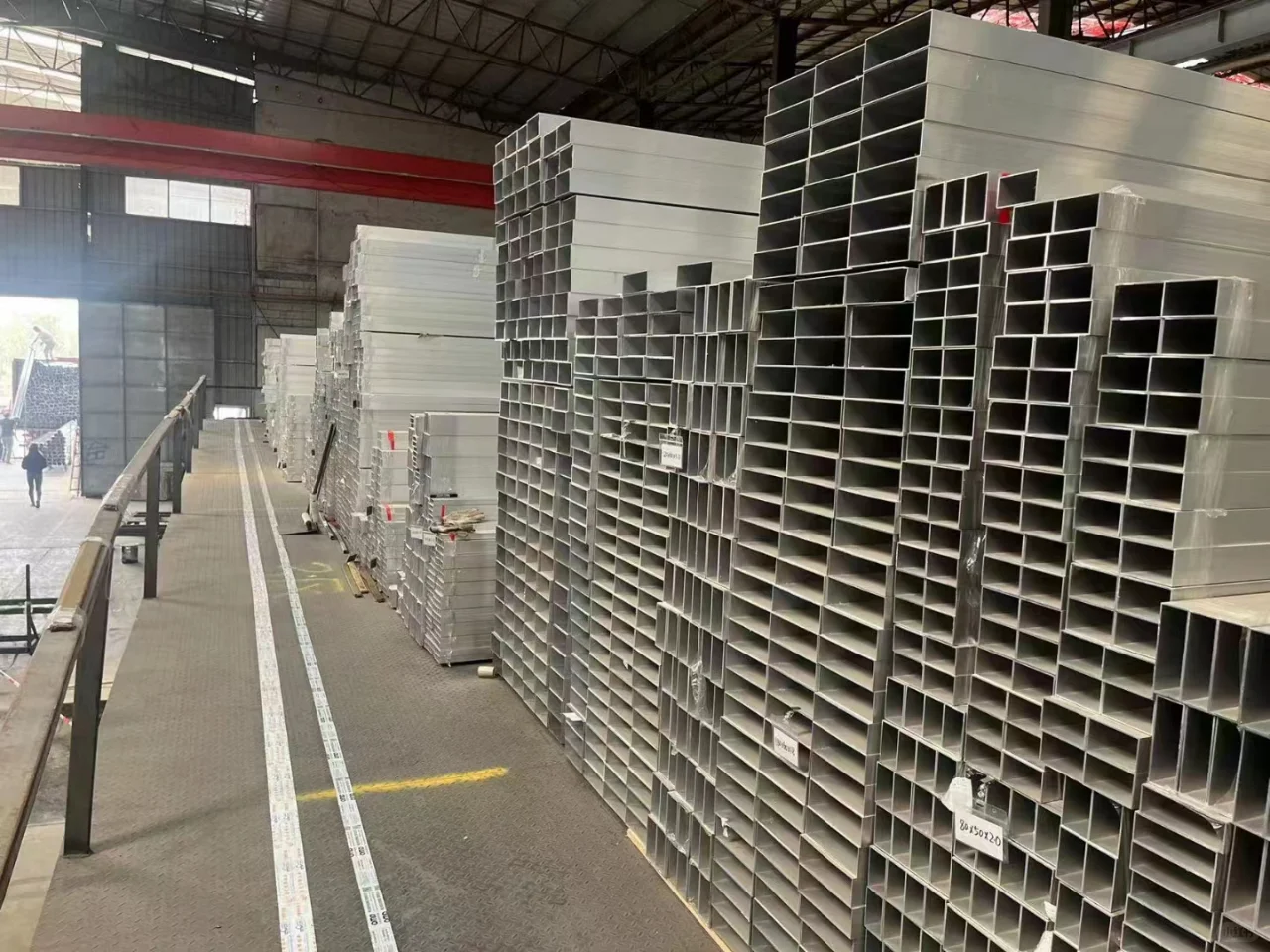
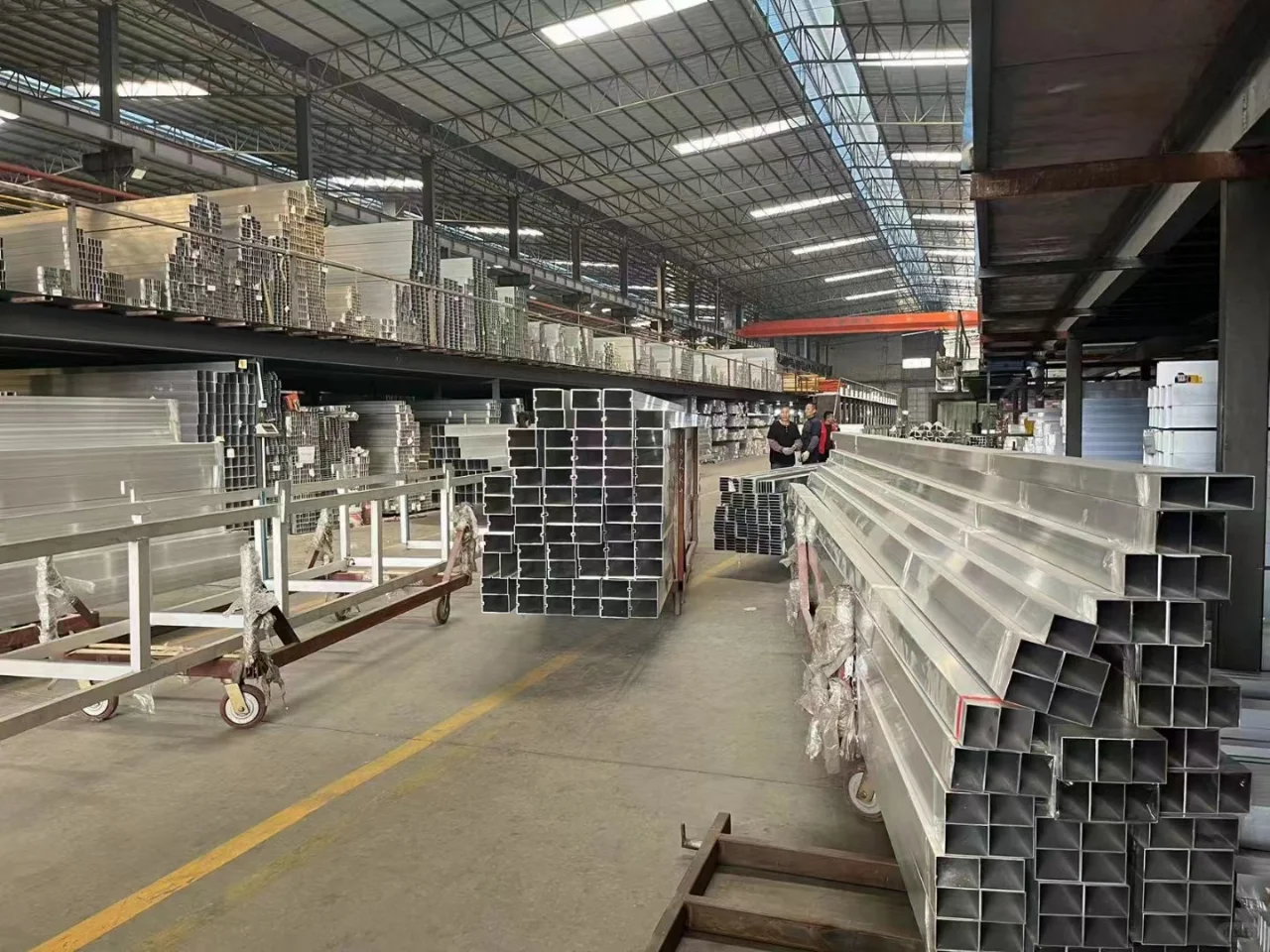
Aluminum alloy square tube extrusion processing is a prevalent and essential metalworking technique involving the use of an extruder to shape and size aluminum alloy materials. This method is highly regarded for its efficiency, precision, and cost-effectiveness, making it indispensable in industrial production.
High Efficiency in Production
One of the primary advantages of aluminum alloy square tube extrusion processing is its efficiency. The process allows for continuous extrusion without the need for frequent mold changes or production halts. This uninterrupted workflow significantly boosts production rates. Moreover, extrusion processing can integrate multiple steps, including extrusion, cutting, cooling, into a single operation. This integration minimizes production time and labor costs, making the entire process more streamlined and cost-effective.
Precision in Machining
Aluminum alloy square tube extrusion processing is renowned for its precision. The extruders used in this process are capable for producing aluminum alloy square tubes with consistent shapes and accurate dimensions. This high level of precision ensures that the final products meet stringent quality standards and can fulfill specific design requirements. Additionally, the process can handle complex geometries, such as concave and convex surfaces or inrregular holes, catering to diverse customer needs.
Economic Advantages
In addition, aluminum alloy square tube extrusion processing also has economic advantages. Extrusion processing can maximize the utilization of materials and reduce material waste. Moreover, extrusion processing can reduce subsequent processing steps and lower production costs. The capability for mass production further amplifies these cost savings, making it an economically viable option for large-scale manufacturing.
Challenges in Extrusion Processing
Despite its numerous advantages, aluminum alloy square tube extrusion processing is not without challenges. The process demands specialized equipment and technical expertise, placing high requirements on operators. The selection of appropriate aluminum alloy materials is crucial, as the quality of the input directly affects the quality of the output. Additionally, the design and manufacture of molds are critical steps that can increase both production costs and lead times.
Equipment and Technology
Extrusion processing relies heavily on advanced equipment. Modern extruders are equipped with sophisticated controls and monitoring systems that ensure precision and consistency. The technology behind these machines continues to evolve, offering better performance and efficiency. Operators must be well-trained to handle these machines, understand the material properties, and troubleshoot any issues that arise during production.
Material Selection
Choosing the right aluminum alloy for extrusion is vital. Different alloys offer varying degrees of strength, ductility, and resistance to corrosion. The selected material must match the specific requirements of the application to ensure optimal performance. Commonly used aluminum alloys for extrusion include 6061, 6063, and 7005, each providing unique advantages depending on the intended use of the final product.
Mold Design and Manufacturing
Mold design is a critical factor in the extrusion process. A well-designed mold ensures that the extruded products have the desired shape and dimensions. The manufacturing of these molds requires precision engineering and quality materials to withstand the high pressures involved in extrusion. Investing in high-quality molds can lead to better product consistency and longer mold life, ultimately reducing costs.
Applications of Aluminum Alloy Square Tube Extrusion
The versatility of aluminum alloy square tube extrusion processing lends itself to a wide range of applications across various industries. Some of the prominent sectors utilizing this technology include:
· Construction and Architecture: Aluminum square tubes are extensively used in building frameworks, facades, and structural components due to their strength and lightweight properties.
· Automotive Industry: The automotive sector leverages aluminum extrusions for manufacturing lightweight yet robust components, contributing to fuel efficiency and vehicle performance.
· Aerospace: In aerospace applications, precision and strength are paramount. Aluminum extrusions provide the necessary characteristics for critical components such as fuselage structures and support beams.
· Consumer Goods: Aluminum extrusions are also found in consumer products, including furniture, sports equipment, and electronic devices, where durability and aesthetic appeal are important.
· Renewable Energy: The renewable energy sector uses aluminum extrusions in solar panel frames and wind turbine components, benefiting from the material's resistance to environmental factors.
Future Trends and Development
As technology advances, the field of aluminum alloy square tube extrusion processing continues to evolve. Innovations in material science, machinery, and processing techniques are expected to enhance efficiency, precision, and sustainability. Some of the future trends and developments in this area include:
· Advanced Alloys: The development of new aluminum alloys with improved properties such as higher strength, better corrosion resistance, and enhanced formability will open up new applications and performance capabilities.
· Automation and Industry 4.0: The integration of automation and smart technologies in extrusion processes will lead to increased efficiency, reduced waste, and improved quality control. Industry 4.0 practices, including loT and AI, will enable real-time monitoring and optimization.
· Sustainable Practices: Emphasis on sustainability will drive innovations in recycling and energy-efficient extrusion processes. The adoption of green technologies and practices will minimize the environmental impact of aluminum extrusion manufacturing.
Conclusion
Aluminum alloy square tube extrusion processing stands out as an efficient, precise, and economical metalworking method. Its ability to produce high-quality, complex shapes while minimizing material waste and reducing production costs makes it a preferred choice across various industries. Despite the challenges associated with specialized equipment, material selection, and mold design, the continuous advancements in technology and processes promise a bright future for aluminum extrusion. By understanding and leveraging the benefits of this method, manufacturers can enhance their production capabilities and meet the growing demands of the modern market.